Mineral Pool Management - Member Case Study
The customer’s goal for this project with Irrigear Lowood was to ensure adequate…


The customer’s goal for this project with Irrigear Lowood was to ensure adequate…
When setting up a new backyard pool, you want to ensure that you’ve got the right…
Looking for quick tips to keep your backyard pool crystal clear all year round? You’re…
The pool often becomes an afterthought once the weather starts to cool, but with…
If you want to keep your spa in the best condition possible, these five top tips…
Discover how Rural Irrigation Supplies helped their customer level up their backyard…
If you're wondering how to make your water work for you in the coming warmer weather,…
Setting up a spa in your backyard may seem like a fairly straightforward process,…
The best backyards are designed to be enjoyed and bring families together, host friends…
Pool ownership should be about enjoying the water, not constantly adjusting settings,…
Discover how submersible pumps can improve your farm water management.
Effective wastewater management is critical for residential, commercial, industrial…

Hi I’m Deb the Water Fairy, I love water! I been fluttering around designing drinking water systems for over 15 years and I love talking to people about how to help them make their water safe and healthy.
Did you know that water is the second most important thing in your life! Yes, really! Air is the most important. You only survive for a few minutes without air, a few days without water, a few weeks without food and everything else is after that.
I get to talk to a lot of people and see a lot of water tests, and one thing I notice often is that lots and lots of the people I talk to think that their water is safe, where I see big red flags!
For fairies like me who love science, when we say ‘safe’, we mean water which isn’t likely to cause you harm, either soon or in the long run.
Maybe you’re thinking, OK – but what does that look like? Is water from my roof safe? What about a bore, or a stream?
Or maybe you are thinking, I’ve been drinking rural water all my life and I’m fine, surely its not that bad?
So here’s a few things we do know:
In 2022. globally, at least 1.7 billion people use a drinking water source contaminated with faeces.
Microbiologically contaminated drinking water can transmit diseases such as diarrhoea, cholera, dysentery, typhoid and polio and is estimated to cause approximately 505 000 diarrhoeal deaths each year.
Yes – even today. People still die of diarrhea!
Yikes, right!
Bugs are nasty little microorganisms that can make people like you sick. Sometimes it’s just an upset tummy, sometimes it can be really serious. I once ended up in hospital with Campylobacter that I got from unsafe drinking water. I was on a drip for 3 days and now have permanent damage to my little fairy tummy and no magic wand seems to be able to take that away. I was one of the lucky ones, because sometimes these nasty little bugs can even kill people, all in a short space of time.
And here’s the really tricky thing about bugs – we can’t see them, taste them or smell them and they can get in at any time: So – what do we do?
Well, the most important thing we can do is prevention. As Nana fairy used to say ‘an ounce of prevention is better than a pound of cure’
If we put up a shield, then no matter when or how these little nasties get in, we are protected. The ‘shields’ that we use are what we call disinfection.
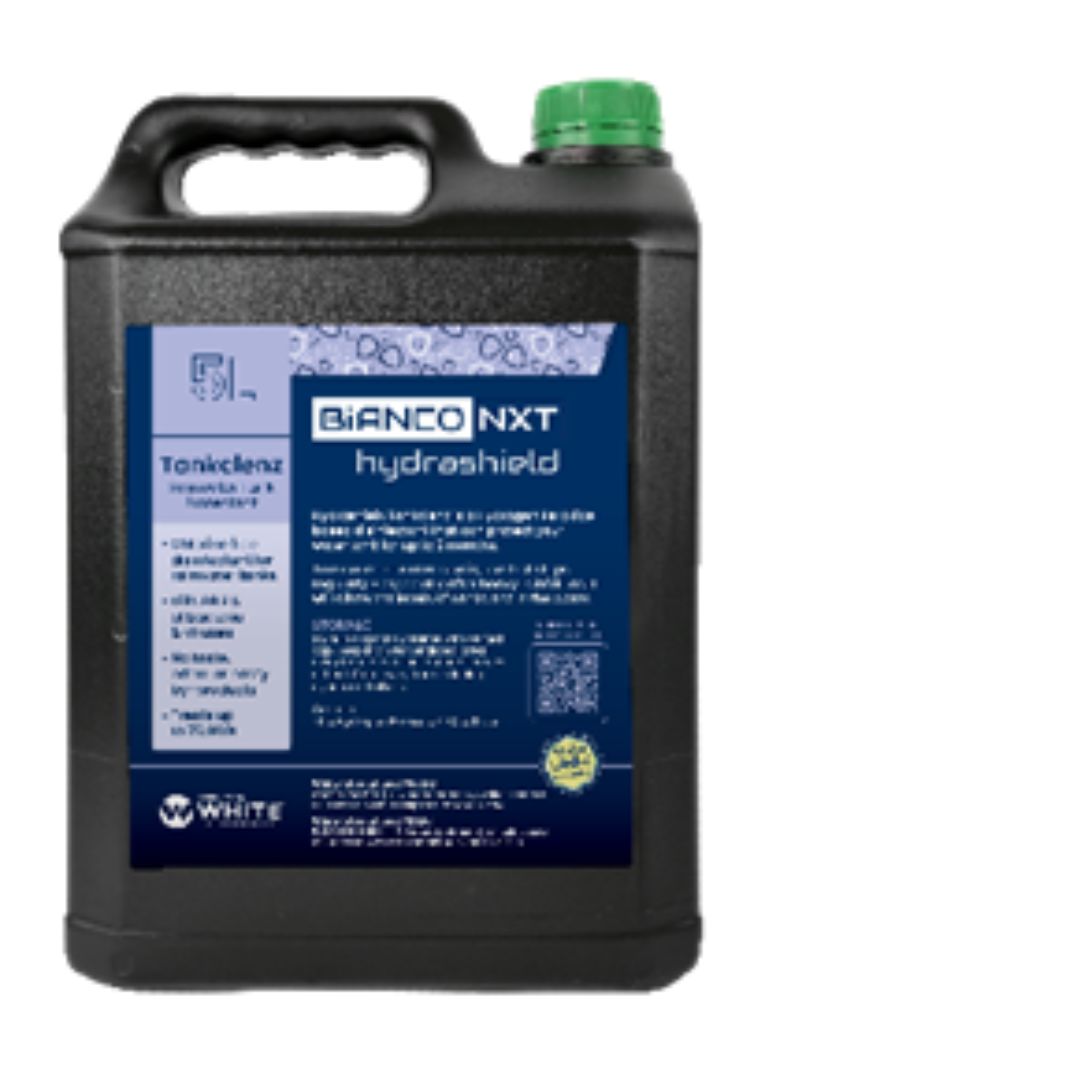
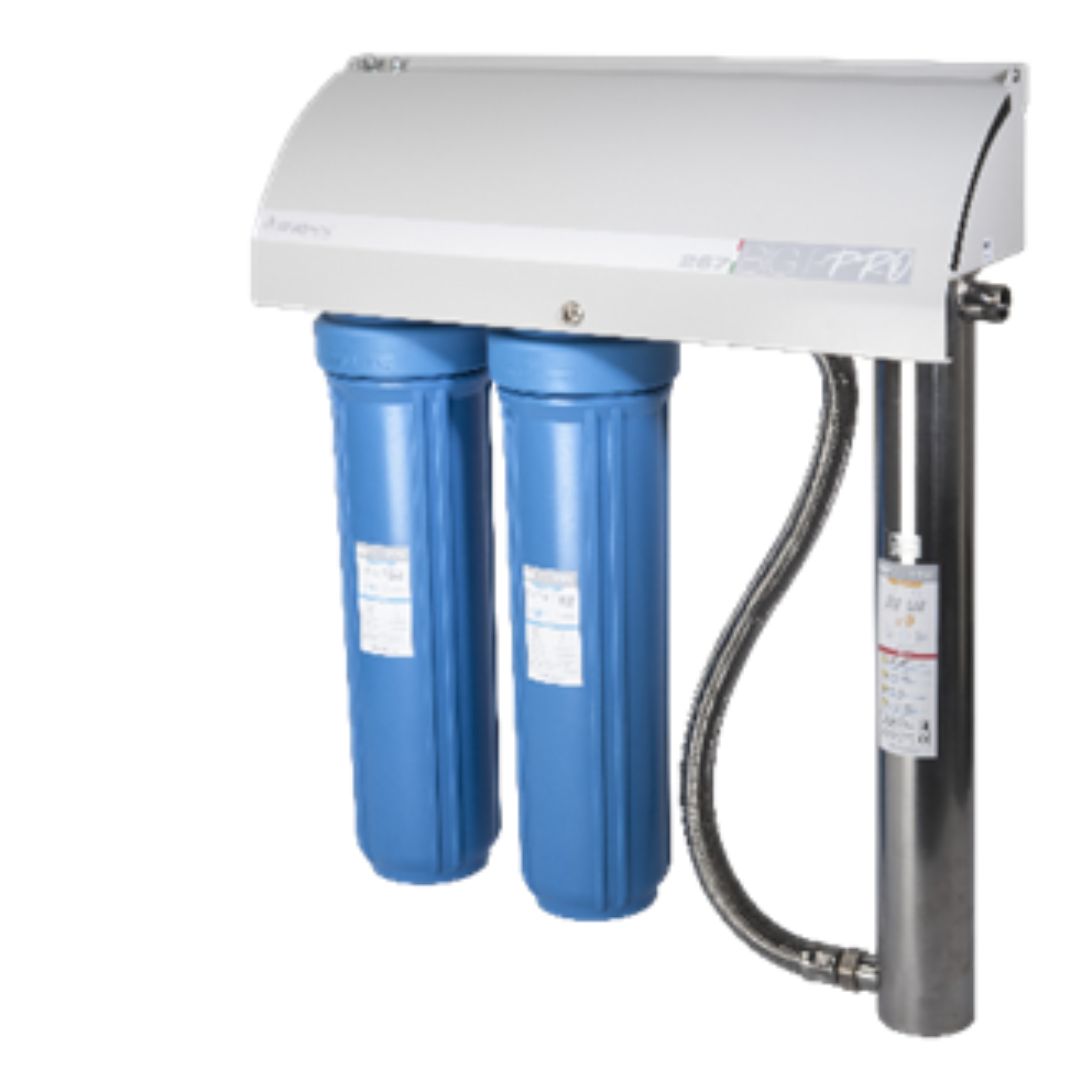
Some things which are commonly used by householders to disinfect water are UV and Filter units, like the Big F Pro, or tank cleaners like Tankclenz.
 |
 |
There are also a lot of chemicals that can get into your water that can be harmful, you might have heard of some of them, like arsenic, nitrates, lead, manganese or PFAS.
Dealing with Bugs is more important than chemicals, because chemicals usually take much longer to cause us harm, even if they are really nasty, That means we really do still need to deal with them.
Often when I flutter around to talk to people, they tell me they want a ‘filter’ to fix every water problem they might have. The truth is we have lots of different technologies that we use. All the chemicals are different, so when we do this, we call it ‘water treatment’ because filters are only part of the answer.
Now you might be wondering, ‘I’m on a rural water supply, what can I do to make my water safe?’
This depends a lot on where your water comes from:
Town Supply: It’s your water supplier’s job to keep you safe. You can use things like carbon filters to help with the taste and smell of chlorine if it bothers you.
Rain Water: Birds don’t just sit on your roof and sing… Rainwater is usually chemically good but has regular contamination from Poo. Make sure you have at least a UV as your Shield!
Bore Water: Bore water is also susceptible to contamination from bugs and is likely to have some chemical issues as well. Get your water tested and contact your local Irrigear Independent Expert to make sure you have what you need to deal with any chemicals, AND add your UV as your shield – even if no bugs show up in your test. That’s great, but it doesn’t tell you if bugs will be there tomorrow.
Surface Water: (e.g. streams, rivers etc). These are incredibly susceptible to poo washing off the land and because the water is in contact with rocks, chemicals/minerals can also be present. Get your water tested and contact your local Irrigear Independent Expert to make sure you have what you need to deal with any chemicals, AND add your UV as your shield – even if no bugs show up in your test. That test is great, but it doesn’t tell you if bugs will be there tomorrow. Your installer will need to help with UV sizing as it is different for surface water.
Water Fairy Says: The only safe water is treated water! If you don’t know what’s in it – don’t drink it!
Find an Irrigear® store near you

Irrigear® Independent Experts.
We're the largest network of independently owned water specialist retailers in the country – with owner-operated locations across Australia.
GEARED FOR BETTER IRRIGATION®
Advice. Products. Solutions. Australia-wide.
At your local Irrigear store you'll find expertise and access to Australia's leading brands and products in all areas of water and fluid management.
Irrigear is proudly a member of Irrigation Australia (IAL) and the Australian Retailers Association (ARA).


Level 1, 28 Milgate Drive
Mornington, Victoria Australia 3931
1800 477 443
03 5976 1588