Fire Season Ready - Seven Things Every Aussie Home Needs This Summer
As everyone unfortunately knows, Summer in Australia is fire season. We can't control…


As everyone unfortunately knows, Summer in Australia is fire season. We can't control…
While most people's minds go to equipment for protecting against bushfires when they…
It’s always best to leave your home early if faced with an oncoming fire front, but…
When a turbine pump plays up, it needs a suitable replacement quickly. That's why…
When a local winery experienced pump failure, the team from Webster Water Solutions…
Propagation house irrigation requires precise water management and integrated systems.…
Discover how Albany Irrigation & Drilling helped their customer understand what's…
Firefighting pumps are usually chosen on the two biggest numbers on the label, maximum…
Whether you're carrying out hazard reduction burns, managing vegetation, maintaining…
Did you know? The WBS Pumps firefighting pump is built for more than just emergencies.
With bushfire risk an ongoing concern for rural and regional properties, having a…
When bushfire or grassfire threatens, your pump is the one piece of equipment you…

Water is something most of us use without a second thought. From morning showers to washing dishes at night, it’s a constant part of everyday life. But while it may look clean and clear, the quality of that water can vary and in many Australian homes, hard water is a common factor.
Over time, the effects of hard water can show up in subtle but frustrating ways and can also be commonly mistaken for soap built up impacting everything from household appliances to personal comfort.
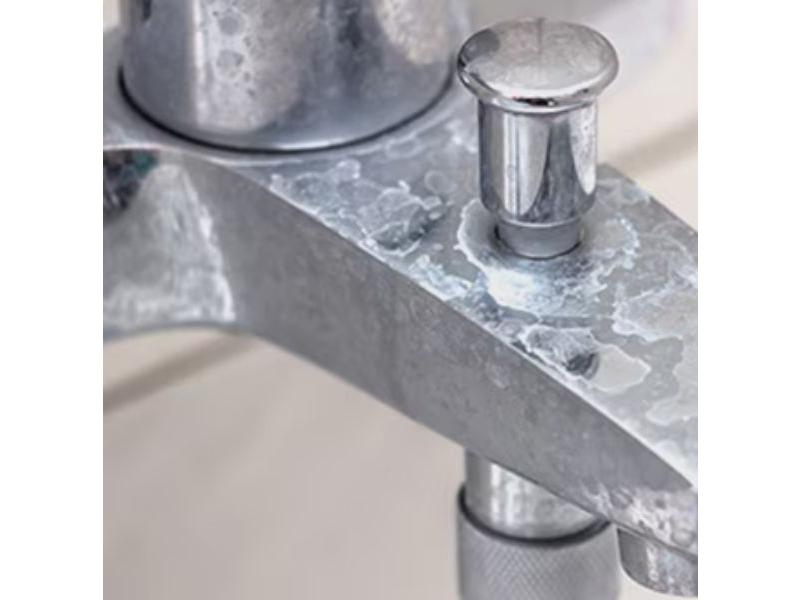
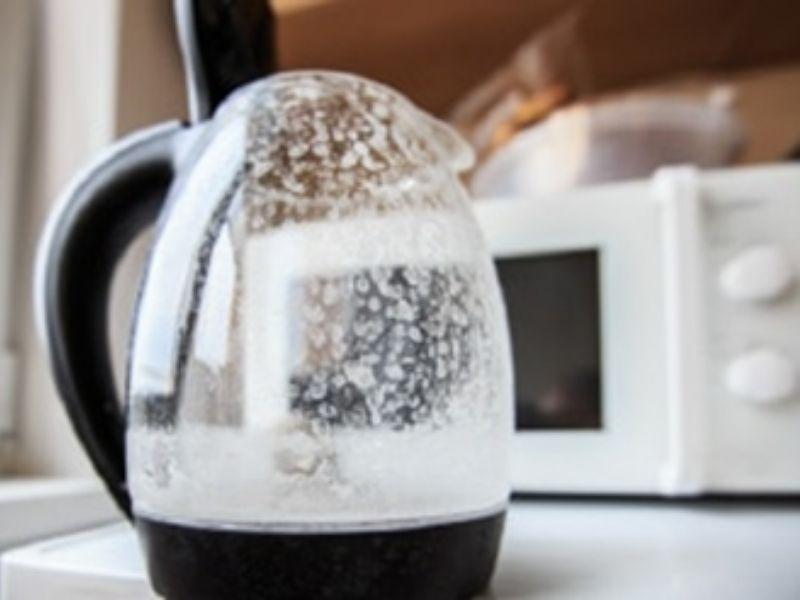
What Is Hard Water?Hard water contains naturally occurring minerals, primarily calcium and magnesium. As rainwater travels through soil and rock, it absorbs these minerals before entering the water supply. It’s completely safe to drink, but its mineral content can influence how it behaves around your home. Signs You Might Have Hard WaterMany households don’t realise they have hard water straight away. Instead, it tends to reveal itself through everyday signs such as:
|
|
It’s long-term impact can add up. From increased maintenance to reduced appliance lifespan, the effects are often gradual but noticeable.
Addressing water quality is less about fixing a problem overnight and more about improving how your home functions day to day.
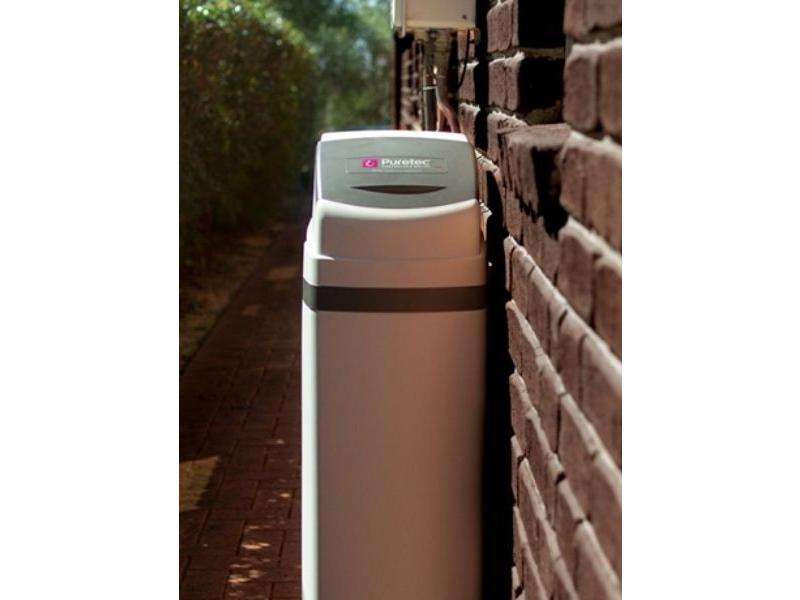
Water softening systems are designed to reduce the concentration of calcium and magnesium before water is distributed throughout your home. A water softener uses a process called ion exchange which means the water passes through resin beads inside the unit and swaps it for sodium ions in its place.
By treating water at the point of entry, these systems can help minimise scale buildup, protect plumbing and appliances, and improve how water feels during everyday use.
Rather than targeting a single tap, this whole-home approach creates more consistent water quality across the entire house.
Every home has slightly different water conditions, which is why there’s no one-size-fits-all approach to water treatment.
Systems such as the Puretec SOL Series Water Softeners are designed to support whole-home water quality by managing mineral levels at the source.
If you’ve noticed signs of hard water or simply want to better understand your water quality speaking with your local Irrigear dealer for Puretec solution is a great place to start.
Find an Irrigear® store near you

Irrigear® Independent Experts.
We're the largest network of independently owned water specialist retailers in the country – with owner-operated locations across Australia.
GEARED FOR BETTER IRRIGATION®
Advice. Products. Solutions. Australia-wide.
At your local Irrigear store you'll find expertise and access to Australia's leading brands and products in all areas of water and fluid management.
Irrigear is proudly a member of Irrigation Australia (IAL) and the Australian Retailers Association (ARA).


Level 1, 28 Milgate Drive
Mornington, Victoria Australia 3931
1800 477 443
03 5976 1588
.jpg)
.jpg)