Mineral Pool Management - Member Case Study
The customer’s goal for this project with Irrigear Lowood was to ensure adequate…


The customer’s goal for this project with Irrigear Lowood was to ensure adequate…
When setting up a new backyard pool, you want to ensure that you’ve got the right…
Looking for quick tips to keep your backyard pool crystal clear all year round? You’re…
The pool often becomes an afterthought once the weather starts to cool, but with…
If you want to keep your spa in the best condition possible, these five top tips…
Discover how Rural Irrigation Supplies helped their customer level up their backyard…
If you're wondering how to make your water work for you in the coming warmer weather,…
Setting up a spa in your backyard may seem like a fairly straightforward process,…
The best backyards are designed to be enjoyed and bring families together, host friends…
Pool ownership should be about enjoying the water, not constantly adjusting settings,…
Discover how submersible pumps can improve your farm water management.
Effective wastewater management is critical for residential, commercial, industrial…

Choosing between a poly (polyethylene) tank and a steel liner tank is an important decision to make - whether its for your home, property, business or farm. Both options are icons of the Australian landscape, and while both store water effectively, they are designed for different settings, depending on your circumstances.
In this guide, we dive deep into the pros, cons, and best-use cases for each tank material to guide you to the best tank for your site.
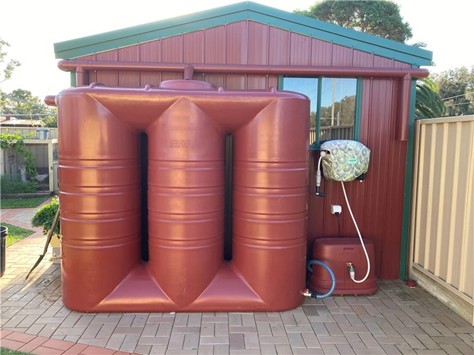
Polyethylene tanks have become the go-to for modern Australian households and smaller rural setups. Made from high-quality, food-grade poly, these tanks are built to last in some of the world's harshest conditions.
The Pros:
The Cons:
|
Best For:
|
 |
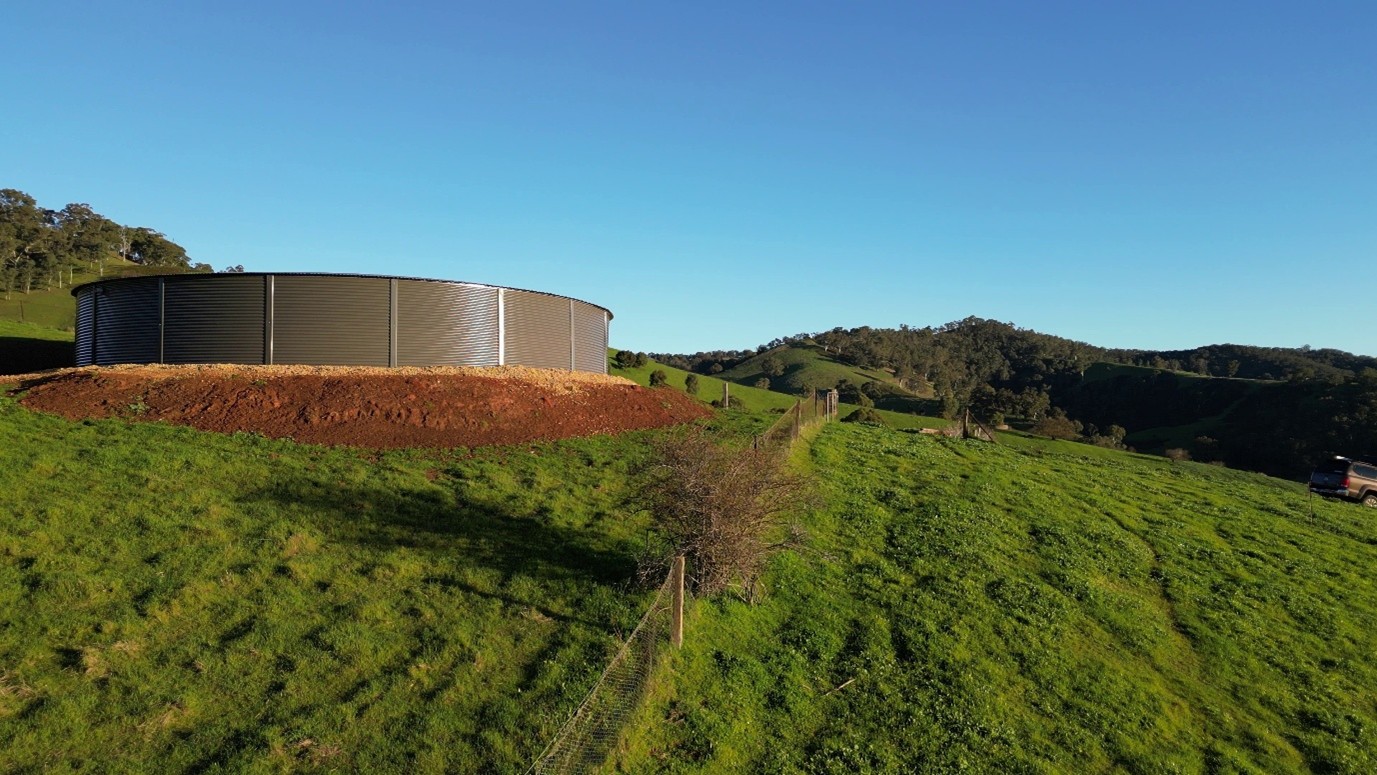
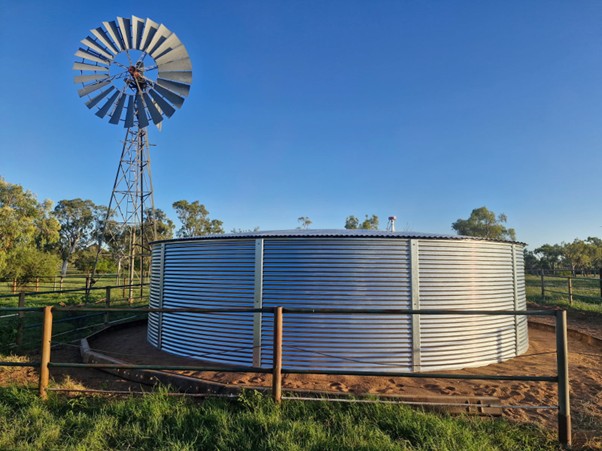
If you require massive storage volumes or live in fire-prone regions, the Aqualine Steel Liner Tank range is the go to. These tanks are constructed on-site with a galvanised steel shell, and a high-strength internal poly liner.
The Pros:
The Cons:
Best For:
Every Australian property, from homes, businesses and farms has its own set of challenges. From local council regulations to the space you have. Before making your final decision, we recommend asking yourself these four key questions:
Its easy to underestimate water usage. Whether you live in a household on your own or with other people, knowing your peak demand is essential. To make this easier, you can use Bushmans Water Tank Calculator to estimate your requirements based on several factors, including the annual rainfall in your location.
 |
What are your local council requirements?Depending on your region, there may be specific rules regarding things like fire-fighting reserves, tank height restrictions or material of tank for new builds. You can find this information on your councils local website, and on Bushman's Australian Water Tank Regulations: State-by-State Guide |
A poly tank is delivered as a single, finished unit and requires clear truck access to be placed on its pad (if required). An Aqualine steel tank however, is built on-site from panels - which makes this a flexible option for properties with restricted access or narrow gates.
Consider your environment, and your location's annual rainfall. Example, is your main priority a long-term resistance to ocean salt spray, or do you need the structural resilience of a steel tank for a high-risk bushfire zone?
The team at Irrigear has been helping Australians secure their water for decades. Whether you need a 660L slimline for a city backyard or a 360,000L giant for a commercial vineyard, we have the expertise to help you choose.
Talk to one of our team members today to learn more.
Find an Irrigear® store near you

Irrigear® Independent Experts.
We're the largest network of independently owned water specialist retailers in the country – with owner-operated locations across Australia.
GEARED FOR BETTER IRRIGATION®
Advice. Products. Solutions. Australia-wide.
At your local Irrigear store you'll find expertise and access to Australia's leading brands and products in all areas of water and fluid management.
Irrigear is proudly a member of Irrigation Australia (IAL) and the Australian Retailers Association (ARA).


Level 1, 28 Milgate Drive
Mornington, Victoria Australia 3931
1800 477 443
03 5976 1588