Fire Season Ready - Seven Things Every Aussie Home Needs This Summer
As everyone unfortunately knows, Summer in Australia is fire season. We can't control…


As everyone unfortunately knows, Summer in Australia is fire season. We can't control…
While most people's minds go to equipment for protecting against bushfires when they…
It’s always best to leave your home early if faced with an oncoming fire front, but…
When a turbine pump plays up, it needs a suitable replacement quickly. That's why…
When a local winery experienced pump failure, the team from Webster Water Solutions…
Propagation house irrigation requires precise water management and integrated systems.…
Discover how Albany Irrigation & Drilling helped their customer understand what's…
Firefighting pumps are usually chosen on the two biggest numbers on the label, maximum…
Whether you're carrying out hazard reduction burns, managing vegetation, maintaining…
Did you know? The WBS Pumps firefighting pump is built for more than just emergencies.
With bushfire risk an ongoing concern for rural and regional properties, having a…
When bushfire or grassfire threatens, your pump is the one piece of equipment you…

Know Exactly How Much Rain Your Garden Gets - And Stop Wasting Water.
Watering your garden without a rain gauge is like cooking without measuring cups, you're just guessing. And rain is worth paying attention to. Just think, if 10 mm of rain on a square meter of ground adds up to 10 litre, the amount of rain dropped on earth during a thunderstorm is astronomical. Did you know that the smell of rain, that fresh, earthy scent we all love, actually has a name: petrichor. Rain is remarkable, and every drop that falls on your garden is a drop you don't have to pay for.
Rain gauges measure rainfall in millimetres over 24 hours. The magic ratio is 1:1 so 10 mm of rainfall equals 10 litres of water per square metre which is generally considered a good drink for most gardens. Anything less and your plants could use a hand. In Australia, where annual rainfall varies wildly from region to region, tracking what actually falls in your backyard is genuinely useful.
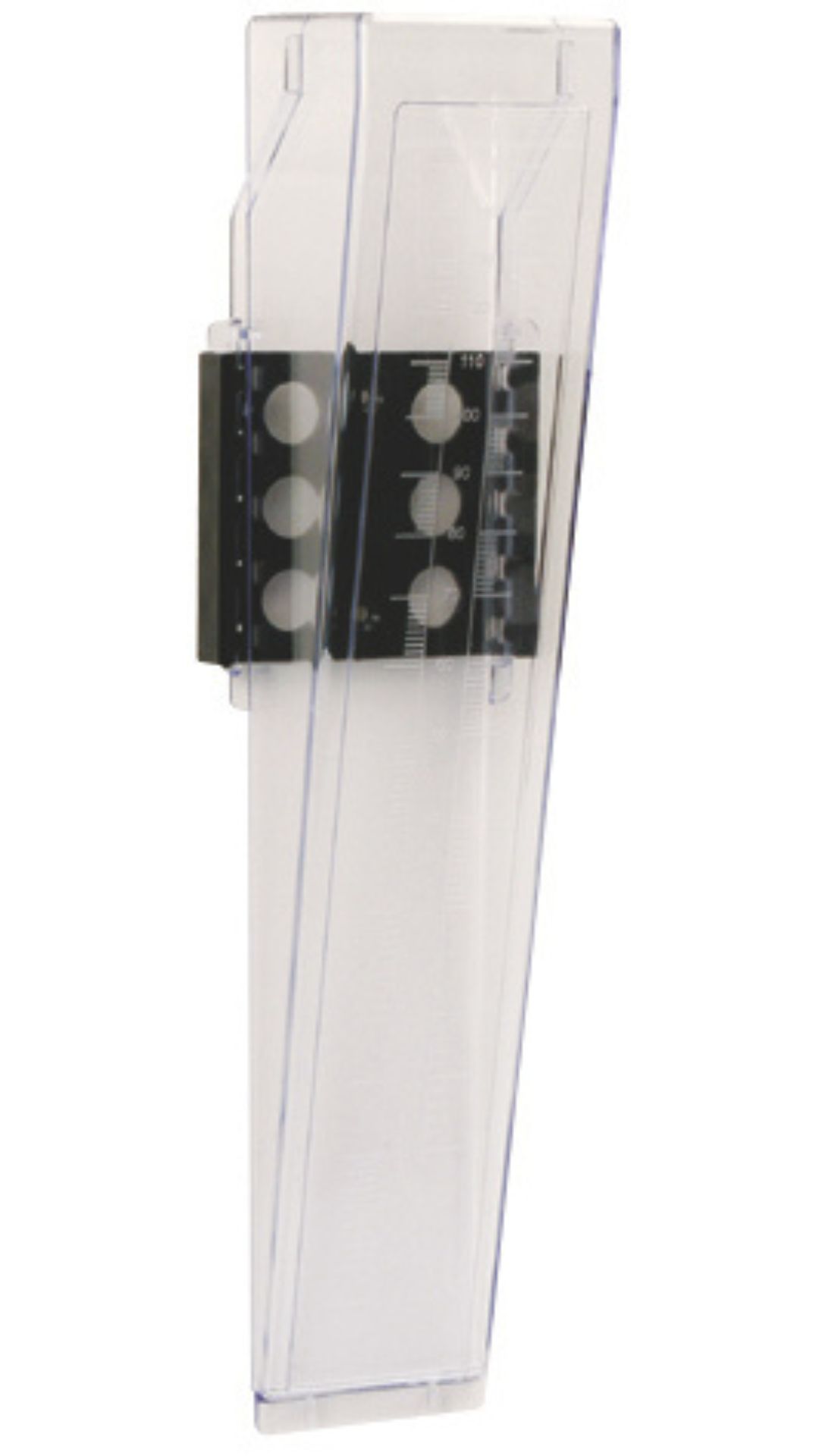 |
Choose Your GaugeNeta offers two options. The Backyard Rain Gauge measures up to 150 mm and features a tapered, wedge-shaped body — ideal for accurately capturing low rainfall. The Professional Rain Gauge steps it up with a 250 mm capacity, a precision inner cylinder for accuracy, a larger outer cylinder for heavy downpours, and stainless steel screws built to last. |
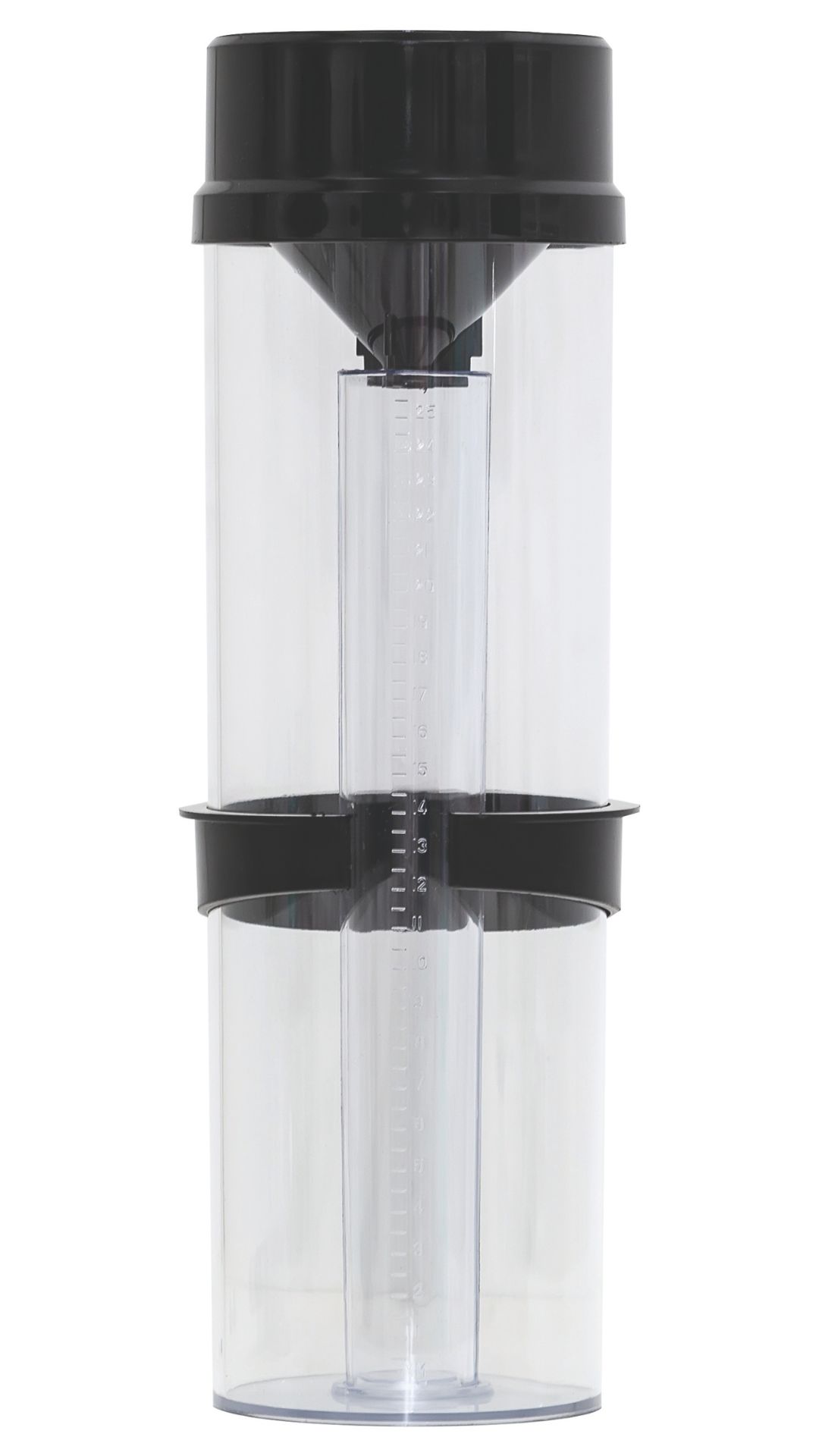 |
Always take readings at the same time each day. Water creates a curved surface in the tube called a meniscus so make sure to read from the bottom of the curve at eye level. During heavy rain with the Professional model, measure the inner cylinder first, empty it, pour the outer overflow in, then add both readings together.
Mount your gauge on a post away from trees and rooftops, at least twice the distance from the tallest nearby structure. Keep it vertical and low to the ground. For even greater accuracy ,install two gauges six metres apart and average the results.
Every millimetre counts, start tracking yours.
Find an Irrigear® store near you

Irrigear® Independent Experts.
We're the largest network of independently owned water specialist retailers in the country – with owner-operated locations across Australia.
GEARED FOR BETTER IRRIGATION®
Advice. Products. Solutions. Australia-wide.
At your local Irrigear store you'll find expertise and access to Australia's leading brands and products in all areas of water and fluid management.
Irrigear is proudly a member of Irrigation Australia (IAL) and the Australian Retailers Association (ARA).


Level 1, 28 Milgate Drive
Mornington, Victoria Australia 3931
1800 477 443
03 5976 1588